Three needs, one repair-program starting point
Housing NB describes assistance for low-income owner-occupants facing major repairs, disability-related modifications or adaptations that support seniors’ independent living. Assistance is a loan, part of which may be forgivable. The listed forgivable ceilings are $18,000 for homeowner repairs, $15,000 for accessible modifications and $7,000 for seniors’ adaptations. They are stream-specific limits, not an automatic combined award.
Any repayable portion carries the provincial borrowing interest rate and can run for up to 15 years. The official page directs residents to Housing NB for information or an application. It does not establish one universal amount for every house or publish a fixed intake deadline. Start with that assessment route before arranging a funded repair.
Source: Homeowner repair, accessibility and seniors assistance
Describe the defect before choosing an upgrade
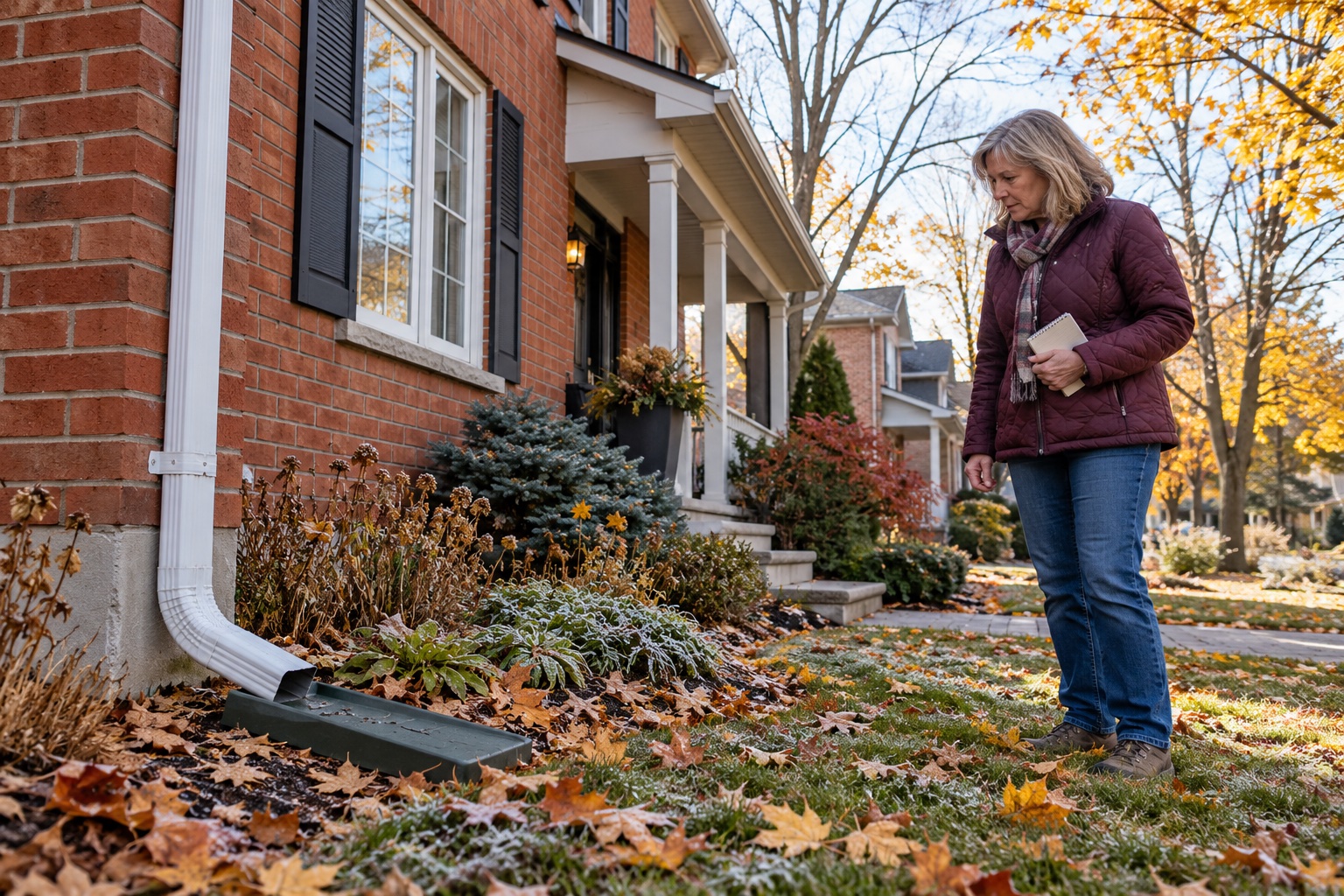
Write a short description of the problem and how it affects someone living in the home. Useful observations include where water appears, which system has failed, which basic facility cannot be used or which entrance has become inaccessible. State what happened and when; avoid deciding that the program must fund a particular product before the need has been assessed.
Separate major repair from aesthetic preference. A damaged structural element, unsafe service or unusable bathroom needs a clear account of the condition and the proposed remedy. If several problems compete for attention, rank them by the risk of losing safe use of the home. Keep optional finishes in a separate part of the estimate so they do not obscure the essential work.
Source: Homeowner repair, accessibility and seniors assistance
Prepare questions about the loan conditions
Ask Housing NB to explain the proposed assistance in two amounts: the portion that may be forgiven and any portion that remains repayable. Then ask what conditions control forgiveness, what events could change repayment and how those terms will be documented. The word forgivable describes a conditional arrangement; it does not by itself explain the conditions applying to your file.
Request a payment schedule for any repayable amount and compare it with the household budget. Include other repair costs that the assistance will not cover. If ownership, occupancy or a possible move is uncertain, raise that before agreeing to funding. Keep the written explanation with the application so that a family member helping later can understand the same obligations.
Source: Homeowner repair, accessibility and seniors assistance
Make the scope comparable for contractors
Ask for a work description that identifies the defect, the repair method, the areas affected and any inspections or approvals the job needs. A replacement quote should say what will be removed, what preparation is included and how hidden damage will be priced if it is found. For an accessibility project, explain the daily movement or task the change must support.
Use our contractor quote comparison guide to align competing estimates. Do not compare a partial patch with a full replacement as if price were their only difference. Record which work Housing NB has reviewed, and ask how a contractor should report changes. Obtain clarification before extending a project beyond the scope discussed with the administrator.
Source: Homeowner repair, accessibility and seniors assistance
Keep the household and property records together
Prepare an application folder containing the documents Housing NB requests about income, ownership and the condition of the dwelling. Add quotes, dated photographs where useful and a short contact log. The folder is for the administrator’s review; it is not something to circulate to every bidder. Give contractors the work information they need while keeping financial records on the official submission channel.
Before work begins, ask who authorizes the scope, how contractor payments are made and what completion evidence will be needed. During work, retain change requests and photographs of items that will be concealed. At handover, check the repair against the agreed scope and list unresolved items in writing. An organized repair file helps distinguish a contractor issue from a funding question, making either easier to resolve.
Source: Homeowner repair, accessibility and seniors assistance
Make the first conversation easy to follow
Bring a one-page summary of the household’s main repair priorities to the first conversation. List uncertainties as questions, including any proposed owner-paid work. Update that summary when the administrator defines the eligible scope, so that later contractor discussions do not drift back to an earlier, unreviewed plan.
Source: Homeowner repair, accessibility and seniors assistance
Sources and source-check dates
- Homeowner repair, accessibility and seniors assistance — Housing NB. Checked .