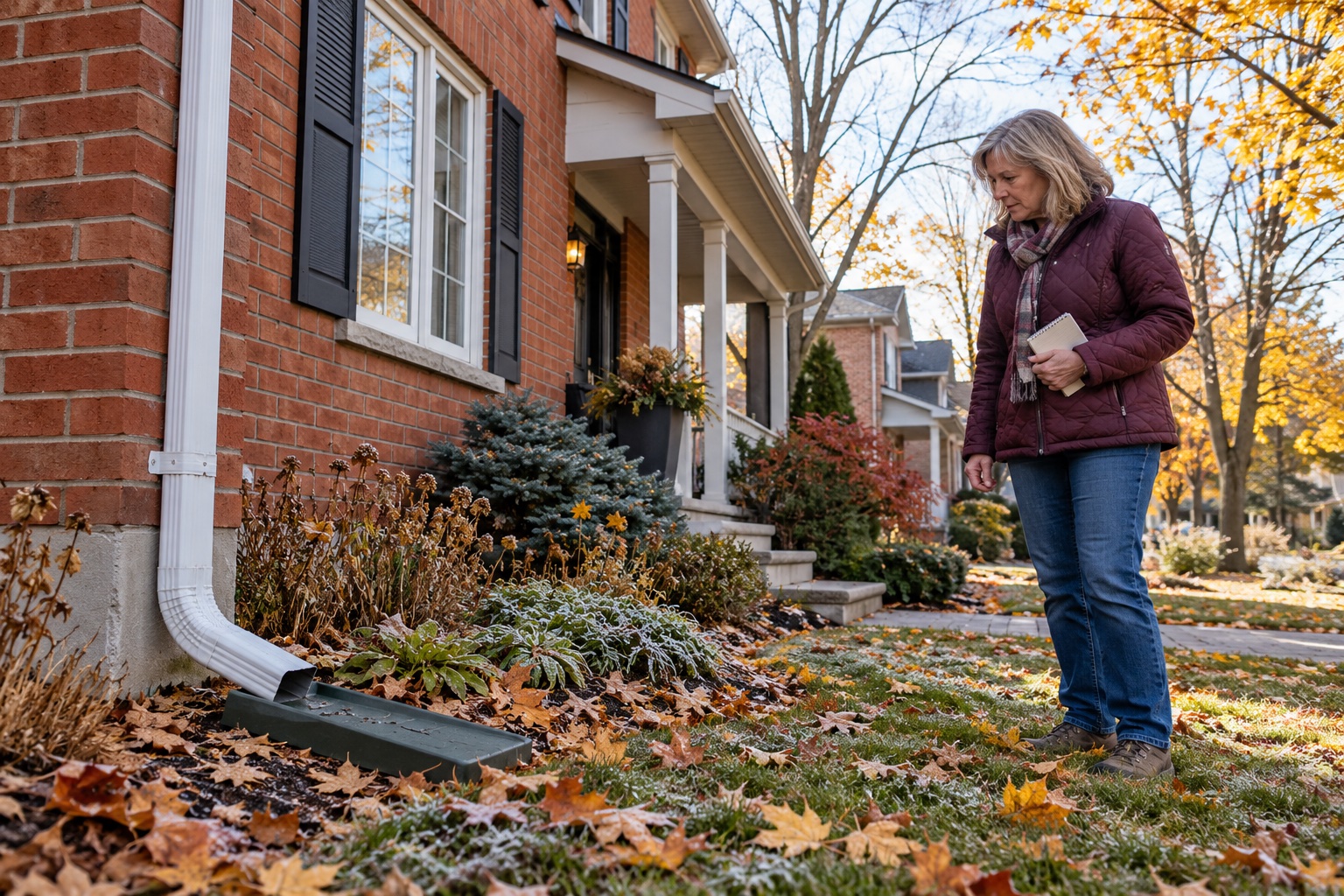
A dated intake and conditional assistance
Housing NWT lists the 2026 application window as April 1 through October 31. The program offers a forgivable loan of up to $50,000 for necessary health and safety repairs. Households above $59,999 income must contribute 10% of repair costs before work begins. Funding is limited and files are prioritized through the PASS selection system; meeting eligibility does not ensure selection.
The listed tests include an owner aged at least 60, three years of NWT residence, more than a year in the home and community-specific income limits. Basic servicing and property conditions also apply. Applicants complete the application with Housing NWT or its designated agent rather than submitting an independently completed form.
Call the district office with a clear repair description
Make a short list of the work that affects safe daily use of the home. For each item, explain the symptom, its location and whether it is getting worse. Add access constraints that may affect an assessment. If a family member is helping, agree who will speak with the district office and what the applicant wants the repair to achieve.
Do not try to turn that description into a final technical scope on your own. The program identifies a role for Housing NWT’s technical advisors in coordinating the work. Ask what information they need, how the assessment will be arranged and what the next stage means for your file. Keep the appointment and contact details in one place.
Separate the application year from the repair schedule
A program deadline is not necessarily an installation date. The official 2025 intake announcement, for example, described approved work beginning in the following year. It is useful historical context, not proof that an identical schedule applies to every 2026 file. Ask the district office to confirm the work period and conditions for the approval you receive.
Write the application cutoff, expected decision stage and proposed work period on separate lines. Do not book paid work by treating the October deadline as permission to begin. If the current intake has closed when you read this guide, obtain a new official intake notice before assuming annual renewal. A past year’s announcement establishes what happened then, not an automatic open application today.
Source: Seniors Home Repair — 2026 intake; 2025 intake announcement and following-year repairs
Understand your contribution and agreement
Ask for a written explanation of the forgivable loan conditions and any required contribution. Prepare a household budget for the contribution before agreeing to the project. If the approved repair price changes, ask how the household’s share and funding amount would be recalculated. Keep the answer with the agreement rather than relying on a conversation relayed through a contractor.
Discuss foreseeable changes in ownership or occupancy with the administrator. Ask which responsibilities continue after the work is complete and which records you should retain. If mortgage, land, lease or tax arrears are involved, raise the issue with the district office; the current program page directs applicants there for individual guidance. Do not treat someone else’s approval as evidence that your property arrangements meet the same conditions.
Source: Seniors Home Repair — 2026 intake; Official Seniors Home Repair policy
Prepare for the work and an understandable handover
Once a scope has been defined, review it in plain language. Identify what will be repaired, what will remain and which rooms or services may be unavailable during the work. Ask who handles a change discovered on site and who should receive questions about the contractor’s schedule. Clear responsibilities matter particularly when several visits or different trades are involved.
At completion, walk through the agreed repairs and record unfinished items. Ask for a demonstration of new controls and maintenance information for installed equipment. Keep the scope, agreement, invoices or completion records provided to you and the district-office correspondence together. Our home comfort planning guide can help record remaining priorities separately. A closed repair file should leave the homeowner understanding both the improvement and the continuing funding obligations.
Source: Seniors Home Repair — 2026 intake; Official Seniors Home Repair policy
Plan the communication before the intake ends
Because the recorded intake closes on October 31, contact the district office promptly if applying in that window. Ask which action must be completed by the deadline and how receipt is confirmed. Keep that confirmation. Do not assume that leaving a voicemail, obtaining a quote or reading this page by the cutoff completes an application.
Source: Seniors Home Repair — 2026 intake; Official Seniors Home Repair policy; 2025 intake announcement and following-year repairs
Sources and source-check dates
- Seniors Home Repair — 2026 intake — Housing NWT. Checked .
- Official Seniors Home Repair policy — Housing NWT. Checked .
- 2025 intake announcement and following-year repairs — Government of Northwest Territories. Checked .